
Breaking Into Clean Energy: A Guide for Motivated Newcomers Seeking Rewarding Careers
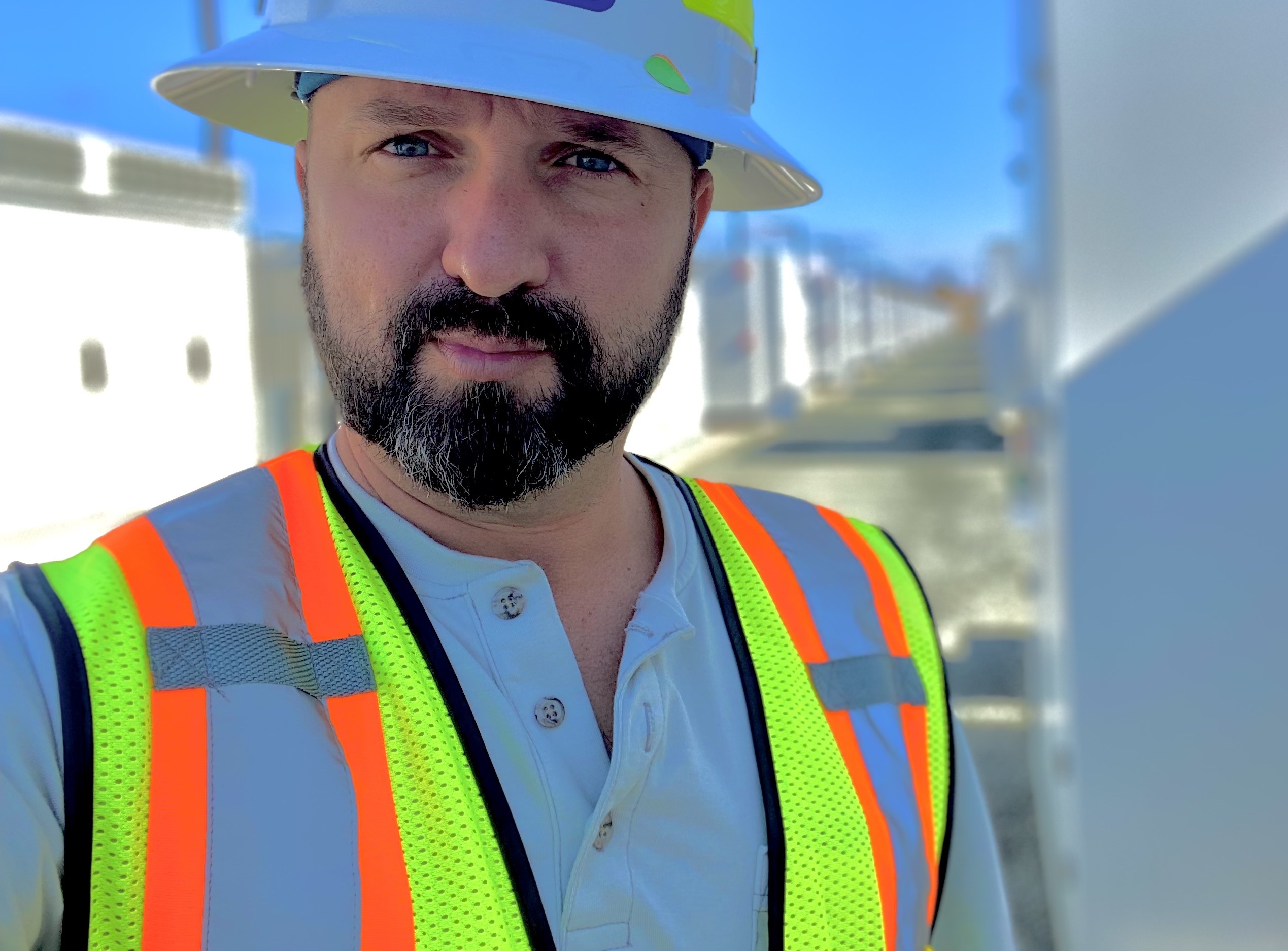

The clean energy sector is exploding with opportunity. As the world shifts away from fossil fuels, demand for skilled technicians in solar, wind, battery storage, and other renewables is climbing fast.
But what if you're new to the field [inexperienced yet eager], driven by a hunger for a meaningful career that powers the planet sustainably? The good news: many companies in this industry prioritize training entry-level talent, recognize skills growth, offer pay bumps for expertise, and address the real risks of the job.

This isn't about landing any gig. It's about joining organizations that invest in you while respecting the vital, sometimes hazardous work of keeping our grids green.
Why Clean Energy? The Boom, the Impact, and the Realities
Clean energy isn't just a trend [it's the future]. Jobs in renewable generation grew 3.9% in 2024, and clean energy jobs overall grew 2.8%, more than three times the 0.8% for the rest of the U.S. economy (E2 Clean Jobs America 2025). The Bureau of Labor Statistics projects solar PV installers (+37%) and wind turbine technicians (+30%) among the fastest-growing occupations from 2025 to 2035, against about 3% for all jobs (BLS: Wind Turbine Technicians, BLS: Solar Photovoltaic Installers).

These roles power everything from homes to electric vehicles, fighting climate change while creating stable, well-paying work.
But let's be real: this workforce faces serious challenges. Technicians deal with falls from heights (think climbing wind turbines hundreds of feet tall), electrical hazards, confined spaces in battery systems, and moving machinery. Check out the Clean Energy Career Pathways Catalog.
Extreme weather amplifies the risks, and piece-rate pay in solar can push workers to cut corners, leading to injuries or even stimulant abuse on sites. An aging workforce means retirements are draining expertise, widening the skills gap.
Policy shifts add uncertainty that can stall projects and jobs. Yet these dangers underscore what the role really is: you're not just a worker. You're essential to a safer planet.
Target Companies That Value Training, Skills, and Safety
Not all clean energy employers are equal. Seek out the ones that develop technicians from the ground up. They offer structured apprenticeships, certifications, and ongoing training, so you're not thrown in blind. They recognize skills progression with promotions and pay tied to expertise [think a starting apprentice wage that increases as you gain skills and competency].
Crucially, they respect the job's hazards through robust safety protocols, benefits, and cultures that put well-being over shortcuts.
Why does this matter for newcomers? In a sector facing a serious skilled-worker shortage, these companies close the gap by investing in you.
You'll gain hands-on experience installing solar panels, maintaining wind turbines, or troubleshooting battery storage, while earning credentials like the Certified Clean Energy Professional from the American Clean Power Association or North American Board of Certified Energy Practitioners (NABCEP) certifications. That leads to better retention, higher wages, and a sense of value [key in an industry changing as fast as this one].
Spotting the Right Employers: Examples and Red Flags
Look for companies advertising Registered Apprenticeship programs, often through networks like the Apprenticeships in Clean Energy (ACE) Network or Green Workforce Connect. These combine on-the-job training (often thousands of hours) with classroom work in renewables.
Green flags | Red flags | |
Training | Registered Apprenticeship; on-the-job + classroom | Thrown in blind; no structured training |
Skills & pay | Promotions and pay tied to skills and competency | No path to advance |
Safety | Robust protocols; well-being over shortcuts | Vague safety commitments; piece-rate pressure |
Benefits | Benefits offered | No benefits |
People | Low turnover; they'll tell you the rate | High turnover; won't answer |
Red flags:
High turnover [ask about their turnover rates].
No benefits.
Vague safety commitments.
Research employers through Apprenticeship.gov and company career pages.
Your Roadmap to Landing the Job
As an inexperienced but motivated candidate, focus on action:
Build the basics. Start with low-cost certifications like NABCEP's entry-level solar credential or OSHA safety training. Community colleges and online platforms (e.g., edX solar courses) offer entry points. (See what OSHA 10 and 30 actually cover: OSHA 10/30 Full Compliance.)
Apply strategically. Target entry-level roles like solar installer or wind tech apprentice. Tailor your resume to highlight transferable skills (e.g., mechanical aptitude from hobbies or military service) and your drive [say why clean energy excites you]. Veterans: watch Veteran Careers in Clean Energy.
Network and learn. Use industry networks and Get Into Energy resources. Attend job fairs, follow companies on LinkedIn, and volunteer for community solar projects to gain exposure. Get on apps like Truckroll to learn industry-specific information, and ask questions in the Truckroll Forums.
Show your hunger. In interviews, emphasize your willingness to learn and commit. Companies value passion over polish, and with so many struggling to staff up, your enthusiasm stands out. (What separates the best techs: watch here.)
Leverage support. Federal programs like those from the Department of Labor fund training; check Energy.gov for grants.
Powering Forward: Your Role in the Green Revolution
Entering clean energy as a newcomer isn't easy. But aligning with companies that train, reward skills, and respect the dangers sets you up for success. You'll build a career and contribute to a sustainable world. If you're hungry for impact, start today [the sector needs you more than ever].
Keep learning with the Truckroll Field Guides and videos.
