
Optimizing Clean Energy Field Operations: Plan, Predict, Perform
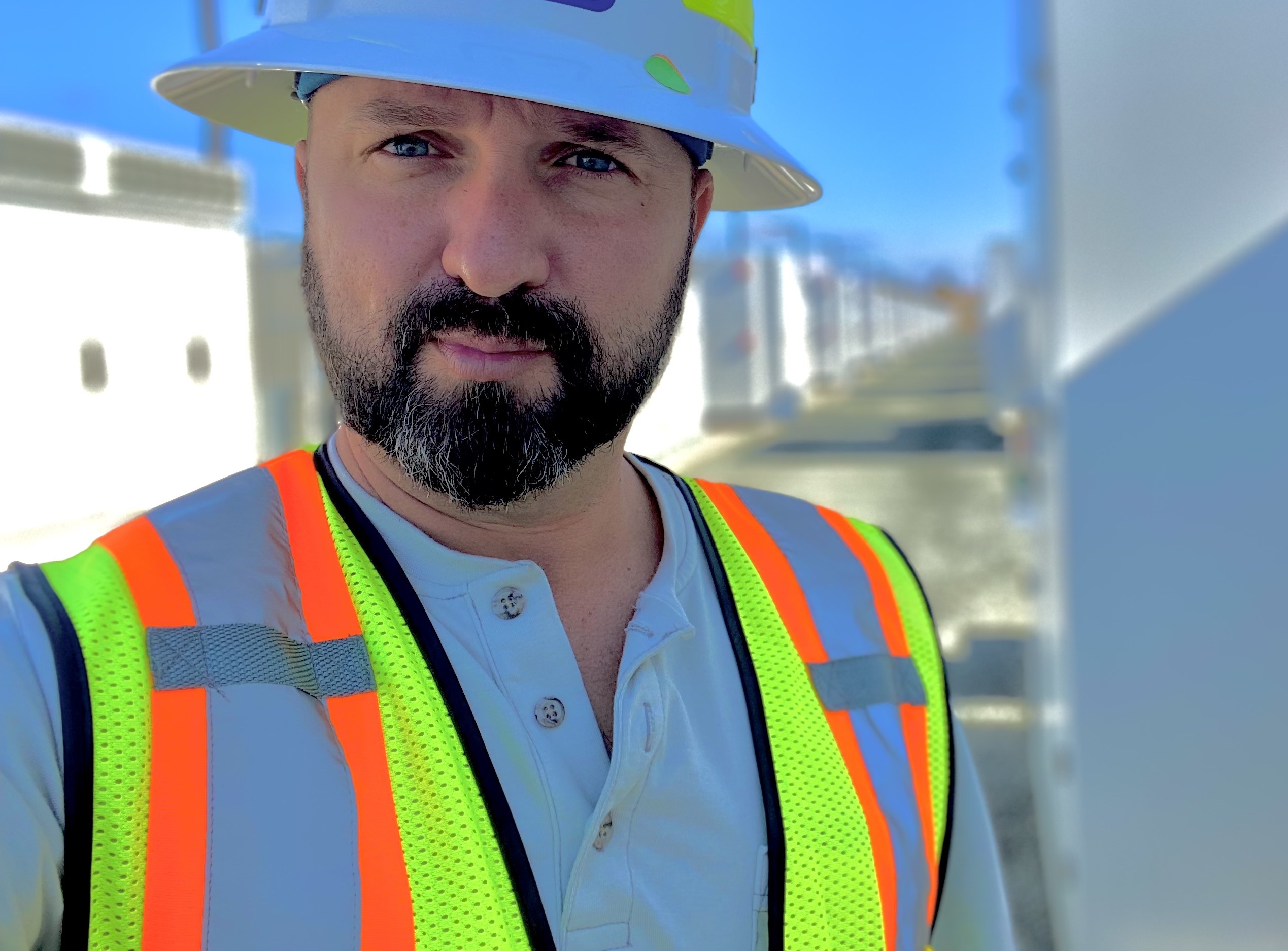

Running smooth, efficient field operations comes down to details: scheduling, safety, technology and teamwork. Get them right and a project runs. Get them wrong and it drags.
So how do you actually optimize field operations, boosting productivity and cutting costs without giving up safety or quality?

Why efficiency matters
Efficiency isn't a buzzword. It's the backbone of good projects. When operations run well, crews finish faster, resources get used wisely and downtime shrinks. Projects land on time and on budget.
It also drives safety and morale. A well-organized operation carries less risk and keeps people motivated.
A delay from a bad handoff or a missing tool ripples through the whole schedule. Efficient field operations are about working smarter, not harder.
1. Real-time communication
Radios and paper logs alone don't cut it anymore. Mobile apps and cloud platforms let crews coordinate, share critical information and respond to surprises quickly.
Digital checklists and location sharing make it clear who's where and what's done, which cuts confusion and duplicated work. See the Truckroll mobile app.
2. Predictive maintenance
Waiting for equipment to fail is expensive. Predictive maintenance uses monitoring data and sensors to track equipment health so crews can service it before it breaks.
Picture a wind turbine flagging a developing gearbox problem ahead of failure. That turns an emergency repair into a planned visit, saving time and money. Maintenance Planning and the O&M Budget Calculator help put structure around it.
3. Smarter scheduling and routing
Field work often spans sites spread across big areas. Better scheduling and route planning cut drive time, fuel and unnecessary truck rolls.
That saves money and lowers the carbon footprint of the work itself. Price out what an extra trip costs with the Callout Calculator.
4. Safety built in
Safety is non-negotiable. Efficient operations are safe operations. Regular training, clear procedures and the right PPE are the base. Wearables that monitor heat stress and environmental hazards can add another layer.
A real safety culture builds vigilance and accountability, and that cuts incidents and costly delays. See Field Operations, Safety Beyond Compliance.
5. Leadership and collaboration
Leaders set the tone for efficiency. Field leaders who communicate clearly, empower their crews and encourage problem-solving create the conditions where efficiency happens. Regular check-ins keep everyone aligned and catch problems early.
Recognize good work. It builds morale and productivity.
Data drives operational excellence
Data from equipment, field reports and customer feedback shows you where to improve.
Past project data can reveal patterns in delays and failures so you can fix the process before the next job. Data turns guesswork into decisions.
Dashboards that both field crews and management can see keep everyone honest and aligned. Track First Time Fix Rate and you'll see quickly where the process breaks down.

Where to start
Assess current operations: find the bottlenecks, inefficiencies and safety gaps.
Choose the right tools: communication, predictive maintenance and scheduling.
Train the crew on new tools and procedures.
Set clear goals: define what efficiency means for your team and pick measurable KPIs.
Monitor and adjust: use the data to track progress and keep improving.
Optimizing field operations is ongoing work, not a one-time fix.
The future is built on the ground
As the grid shifts to cleaner sources, the demand for efficient, reliable field operations keeps growing. Smart tools, safety first and strong leadership are how we meet it.
Optimizing operations isn't just about saving time or cutting cost. It's about building a resilient, capable workforce. The future of energy depends on how well we manage the work on the ground today. More in the Field Guides.
Field note: this post is general education. It does not replace your site's procedures, the OEM manual, your EHS program, or the judgment of a qualified person. When in doubt, stop and ask.
Josh Rogers started as a Navy nuclear operator on an aircraft carrier, taught as a Master Training Specialist, and has since worked across OEMs, third-party service, owner-operators, and the industry's largest trade association. He writes from the field, not the boardroom.