
Streamlining Field Operations: Standardize, Dispatch, Improve
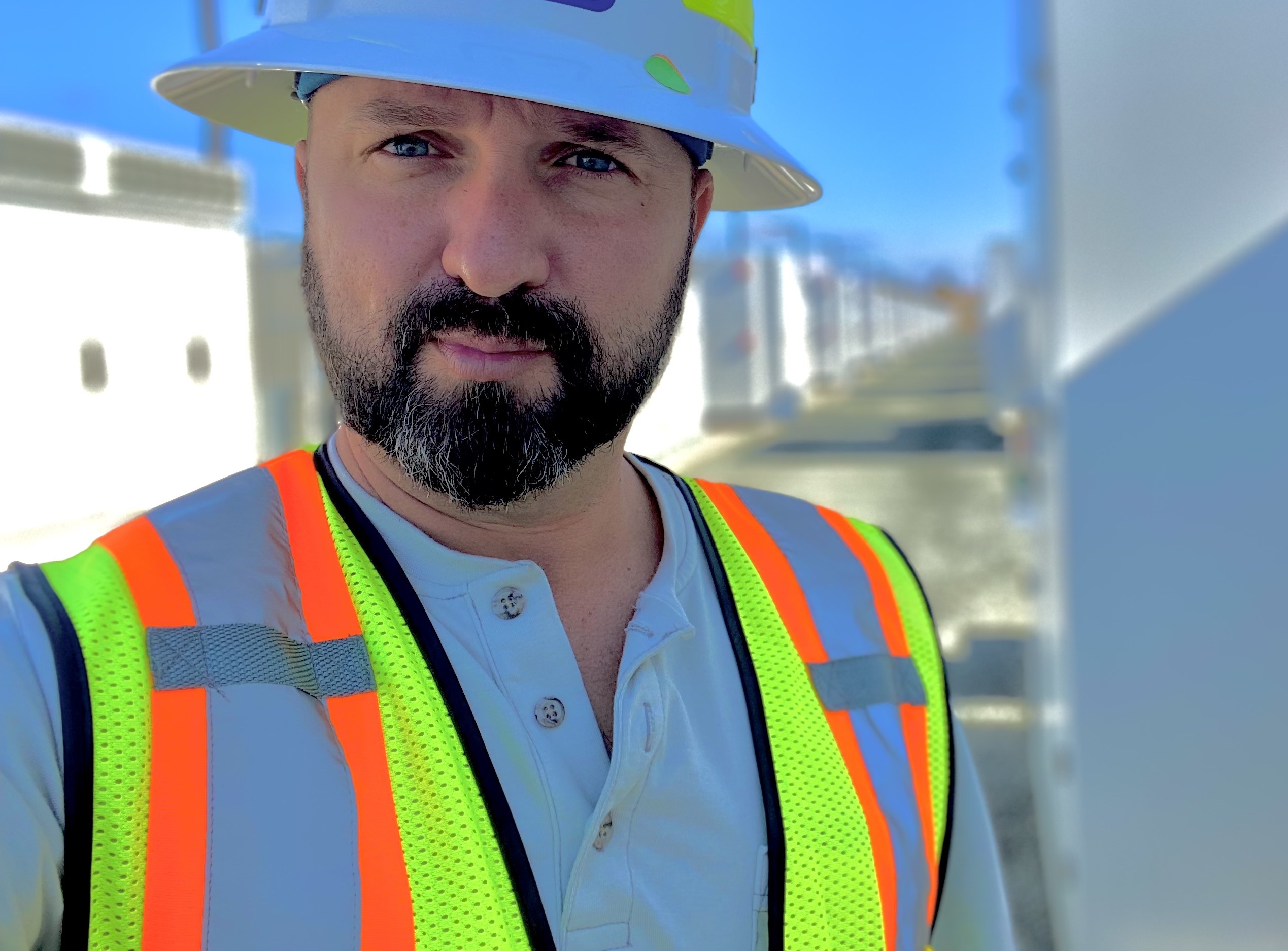

Field operations are the backbone of clean energy. So how do you make sure every visit, every task and every repair gets done efficiently and safely?
Streamline the process. Small changes add up to big improvements. Here are practical, crew-level tips.

Why it matters
Efficiency isn't a buzzword. It's the difference between a job that finishes on time and one that drags with costly delays. Streamlined operations waste less time, make fewer errors and are safer.
Every minute saved on a site visit adds up. Every mistake avoided is rework you don't do. Every procedure followed protects the crew and the asset.
1. Keep everyone connected
Don't wait on paper reports or end-of-day updates. Mobile tools keep the crew connected so issues get flagged and solved faster.
Share photos and video to document site conditions.
Use digital checklists so no step is missed.
Share location for routing and safety check-ins.
See the Truckroll mobile app.
2. Standardize procedures and training
Consistency wins. When everyone follows the same procedure, quality goes up and errors go down.
Write step-by-step guides for common tasks.
Use short videos for visual learners. Browse Truckroll videos.
Schedule refreshers to keep skills sharp.
The Field Guides are a ready-made starting point.
3. Smarter scheduling and dispatch
Good scheduling cuts downtime and windshield time. Assign jobs by skill, location and availability.
Group jobs by area.
Prioritize urgent repairs without wrecking planned maintenance.
Leave slack for the surprise.
Send the right tech with the right parts the first time. That's First Time Fix Rate Matters! in practice.

4. Simple field metrics
Data isn't just for the office. A few simple numbers show where the time goes:
Metric | What it tells you |
Average time per job type | Where the process drags |
First-time fix rate | Whether the right tech and parts went out |
Repeat visits per site | Root causes that aren't getting fixed |
Equipment failure patterns | Where preventive maintenance should focus |
Crew feedback | What the data misses |
Use them to get ahead of problems instead of reacting.
5. Safety built into the workflow
Safety isn't a separate step. It's part of efficient work.
Hold a real tailboard before work starts. See Pre-Job Pitfalls and Risks.
Make sure everyone has the right PPE.
Report hazards and near-misses as they happen.
A safe crew is a productive crew. Never cut a safety corner to save time.

6. Continuous improvement
Streamlining isn't one-and-done:
Gather feedback: ask the crew what's working and what isn't.
Check results: measure the impact of every change.
Adjust: tweak procedures based on what you learn.
Recognize wins: call out improvements to keep momentum.
Keep improving
Drones, remote expert support and equipment sensors keep getting better. Use them where they save time and improve outcomes, not just because they're new.
Every step toward efficiency is a step toward reliable, safe work. Keep learning, keep improving and keep leading.
Field note: this post is general education. It does not replace your site's procedures, the OEM manual, your EHS program, or the judgment of a qualified person. When in doubt, stop and ask.
Josh Rogers started as a Navy nuclear operator on an aircraft carrier, taught as a Master Training Specialist, and has since worked across OEMs, third-party service, owner-operators, and the industry's largest trade association. He writes from the field, not the boardroom.